The New Era of Domestic Automation
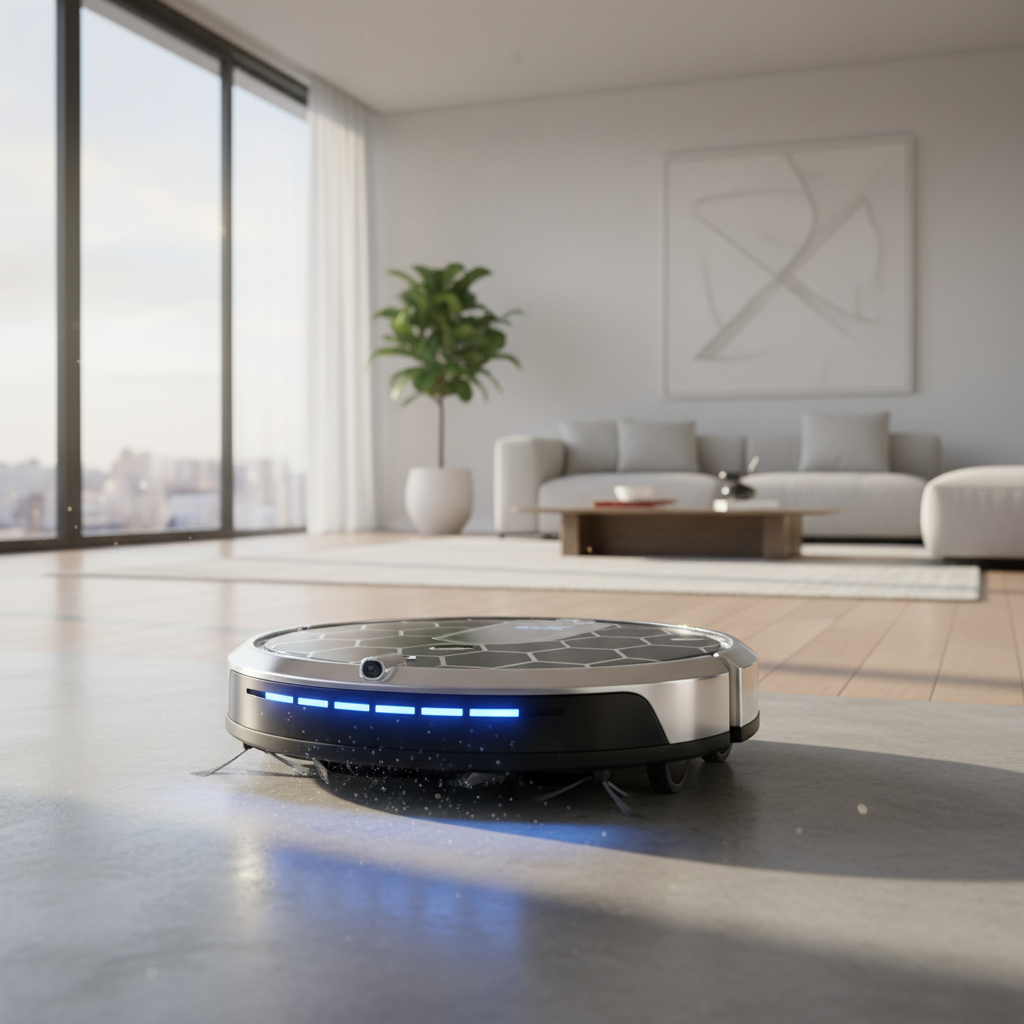
By 2026, the concept of a ‘clean home’ has shifted from a weekend chore to a background process that happens while you sleep or work. We are no longer looking at simple puck-shaped devices that bump into chair legs. The latest generation of robot vacuums represents a pinnacle of robotics, integrating advanced computer vision and material science to handle environments that were previously too complex for automation. The frustration of tangled hair or stuck wheels is largely a thing of the past.
Modern households now demand more than just suction. We look for devices that can differentiate between a stray sock and a pet accident, machines that can transition from high-pile carpets to delicate hardwood floors without skipping a beat. The integration of Matter-supported smart home ecosystems means these robots now talk to your security cameras and smart lights to optimize their cleaning paths based on human presence, making the experience truly ‘set and forget’.
Navigation Reimagined: The Move to Solid-State LiDAR
One of the most significant leaps in 2026 is the adoption of Solid-State LiDAR and ultra-wideband (UWB) sensors. Unlike the spinning turrets of old, these internal sensors allow for a sleeker profile, enabling robots to glide under lower furniture where dust bunnies typically hide. This technology provides millimeter-level precision, creating 3D maps that are not just accurate but also context-aware. Your robot now knows the difference between a high-value rug and a standard floor mat.
This precision extends to obstacle avoidance. Using neural processing units (NPUs) directly on the device, 2026 models can identify over 100 unique objects. They no longer just ‘see’ an obstacle; they understand it. If it’s a power cable, the robot circles tightly without touching it. If it’s a liquid spill, the mop deploys instantly while the vacuum intake closes to prevent internal damage. This level of intelligence is what finally makes the ‘no-ribet’ (no-hassle) promise a reality.
Top Contenders for Your Smart Home in 2026
The All-Rounder: Titan-Clean X9 Ultra
The Titan-Clean X9 Ultra has set a new benchmark for what an all-in-one device should be. With a staggering 15,000Pa suction power, it pulls deep-seated allergens from the thickest carpets. But power is nothing without control. Its dual-spinning mop pads apply consistent downward pressure, mimicking the scrubbing motion of a human hand. What truly sets it apart is its ‘Edge-Reach’ technology, where one of the mop pads extends physically to clean the very corners of the room.

Maintenance for the X9 Ultra is almost non-existent. Its docking station features a high-temperature 80°C washing system for the mop pads, followed by a silent hot-air drying cycle that prevents mold and odors. The dust bin only needs to be emptied once every 90 days, thanks to its high-density compression technology. For the busy professional, this is the ultimate tool for maintaining a pristine environment without a second thought.
The Pet Owner’s Dream: PawPrint Defender P5
Pet hair has always been the nemesis of the robot vacuum, but the 2026 PawPrint Defender P5 addresses this with its patented anti-tangle ‘Aero-Blade’ brush roll. Instead of standard bristles, it uses counter-rotating silicone blades that shred hair before it can wrap around the axle. This ensures that the robot maintains peak airflow throughout the entire cleaning cycle, even in homes with multiple shedding pets.
Beyond mechanical improvements, the P5 includes a built-in HEPA-14 filtration system that captures 99.99% of pet dander and airborne allergens. It also features a ‘Pet-Sentry’ mode, where the robot can act as a mobile security camera, allowing owners to check in on their furry friends via a secure, encrypted video feed. It’s not just a vacuum; it’s a dedicated home assistant for pet families.
The Mandatory Shift to All-In-One Docking Stations
In 2026, a robot vacuum without a fully automated dock is considered incomplete. The modern docking station is a marvel of engineering that handles everything from dirty water disposal to mop pad sterilization. The ‘Zero-Touch’ philosophy means that once you install the plumbing kit—which connects the dock directly to your home’s water line—you might go months without even looking at the base station.
These docks have also become more aesthetically pleasing. Manufacturers have moved away from bulky plastic towers toward minimalist designs that blend into home decor. They function as air purifiers and scent diffusers, ensuring that after a cleaning cycle, the house doesn’t just look clean, but smells fresh. This holistic approach to home maintenance is what defines the 2026 cleaning experience.
Key Technical Specifications to Compare
- Suction Power (Pa): Look for at least 10,000Pa for carpeted homes, though 12,000Pa+ is the 2026 flagship standard.
- Mopping Tech: Ensure the device uses either high-frequency vibration or dual-rotation pads with active water heating.
- Obstacle Avoidance: Prioritize models with AI-driven RGB-D cameras for superior object identification in low light.
- Docking Features: Check for auto-refill, auto-empty, and most importantly, high-temperature mop drying to prevent bacterial growth.
- Privacy Protocols: Ensure the device is Matter-certified and features end-to-end encryption for any camera-based features.
Investing in a high-end robot vacuum in 2026 is an investment in your time. By delegating the daily grind of floor maintenance to an intelligent machine, you reclaim hours of your life every week. As technology continues to evolve, the line between ‘appliance’ and ‘automated helper’ continues to blur, making the dream of a self-cleaning home more accessible than ever before.