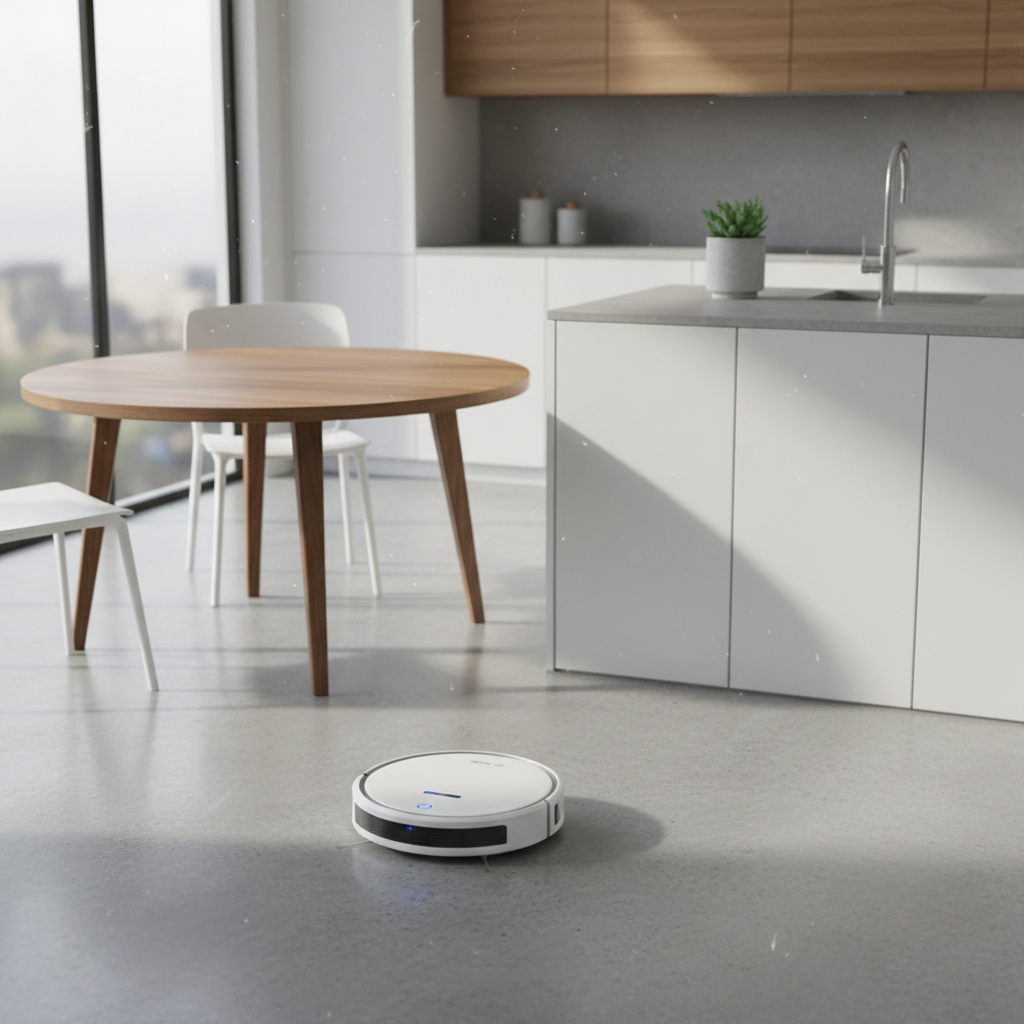
The Revolution of Domestic Autonomy
For many years, the idea of a self-operating cleaning machine belonged strictly to the realm of science fiction. We watched characters in futuristic shows relax while metal discs hummed across the floor, effortlessly erasing dust. Fast forward to the present day, and the robot vacuum cleaner has transitioned from a niche luxury toy for tech enthusiasts into a mainstream household staple. However, with prices ranging from a few hundred to over a thousand dollars, the question remains: is this investment truly justified, or is it just another gadget destined to gather dust in the corner?
Deciding whether to pull the trigger on a robot vacuum requires a nuanced look at your lifestyle, home layout, and expectations. Unlike traditional upright vacuums that rely on raw suction power and manual steering, these autonomous units prioritize consistency and frequency. They are designed to maintain a baseline of cleanliness so that the deep-cleaning sessions happen less often. Understanding this fundamental shift in philosophy is the first step in determining if the technology fits your personal needs.
Unpacking the Key Advantages
Reclaiming Your Most Precious Asset: Time
The most significant benefit of owning a robot vacuum is, without a doubt, the gift of time. In a fast-paced world where work-life balance is increasingly difficult to achieve, outsourcing a repetitive chore like vacuuming can save you several hours every week. Instead of spending your Saturday morning pushing a heavy machine around the living room, you can schedule your robot to run while you are at the gym or finishing a project at the office.
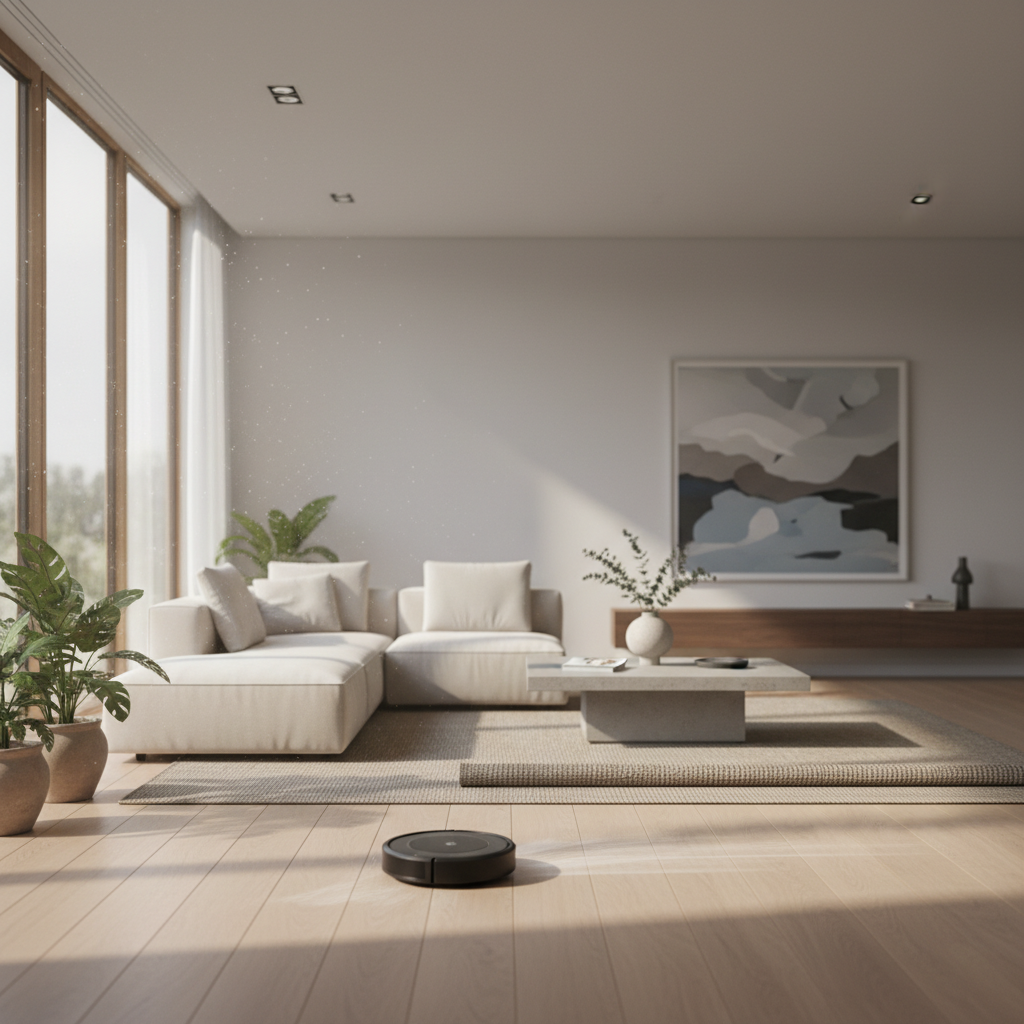
Beyond mere convenience, there is a psychological weight lifted when you know your floors are being maintained autonomously. Most mid-to-high-end models feature advanced scheduling via mobile apps, allowing you to set a ‘clean while away’ routine. This means you consistently return to a home with crisp vacuum lines and a grit-free floor, which significantly reduces the mental load associated with home maintenance.
Advanced Navigation and Smart Mapping
Modern robot vacuums are no longer the ‘bump-and-turn’ machines of the past. Today’s high-end models utilize LiDAR (Light Detection and Ranging) or VSLAM (Visual Simultaneous Localization and Mapping) to create a digital blueprint of your home. This technology allows the robot to know exactly where it has been and where it still needs to go, ensuring 100% coverage without unnecessary overlaps or missed spots.
This intelligence extends to features like ‘No-Go Zones’ and room-specific cleaning. If you have a cluttered craft room or a delicate area with tangled cables, you can simply draw a virtual boundary on your smartphone. This level of control ensures that the robot operates efficiently within the constraints of your specific living environment, minimizing the risk of it getting stuck or damaging fragile items.
The Realities and Limitations to Consider
Not a Total Replacement for Deep Cleaning
While robot vacuums are exceptional at daily maintenance, it is important to manage expectations. Even the most powerful autonomous units generally cannot match the raw CFM (cubic feet per minute) of airflows found in high-end corded uprights. They excel at picking up surface debris, pet hair, and fine dust, but they may struggle with deep-seated dirt embedded in thick, high-pile carpets.
Therefore, a robot vacuum should be viewed as a ‘maintainer’ rather than a total replacement. You will likely still need to perform a manual deep clean once a month or use a handheld vacuum for stairs, upholstery, and tight corners where a circular robot simply cannot reach. If you expect a robot to handle a home with five long-haired dogs and wall-to-wall shag carpeting without any manual intervention, you might be disappointed.
The Importance of ‘Robot-Proofing’ Your Home
To get the most out of an automated cleaner, your home needs to be somewhat compatible with the technology. Robot vacuums are the natural enemies of stray socks, charging cables, and loose rug tassels. If your floors are constantly covered in small objects or toys, the robot will likely spend more time trapped and calling for help than actually cleaning.
Adapting to a robot vacuum often requires a slight shift in habits, which some users find beneficial as it encourages tidiness. Lifting cords off the floor and ensuring that transitions between rooms are manageable for the robot’s wheels are essential steps. If your home features many sunken rooms or high thresholds, you may find yourself having to manually move the robot from one area to another, which partially defeats the purpose of automation.
The Financial Equation: Is the ROI There?
When calculating the return on investment, consider the longevity of the device. A quality robot vacuum from a reputable brand can last four to six years with proper maintenance, such as replacing brushes and filters. When you divide the initial cost by the number of hours saved over several years, the ‘price per hour’ of reclaimed time is often surprisingly low.
Furthermore, for individuals with allergies or respiratory issues, the benefit is even higher. By running a robot vacuum daily, you significantly reduce the accumulation of pet dander, pollen, and dust mites that settle on the floor. For these users, the health benefits and the reduction in allergy symptoms often far outweigh the monetary cost of the device. Ultimately, if your budget allows and your home layout is compatible, a robot vacuum is one of the few smart home investments that provides a tangible, daily improvement to your quality of life.