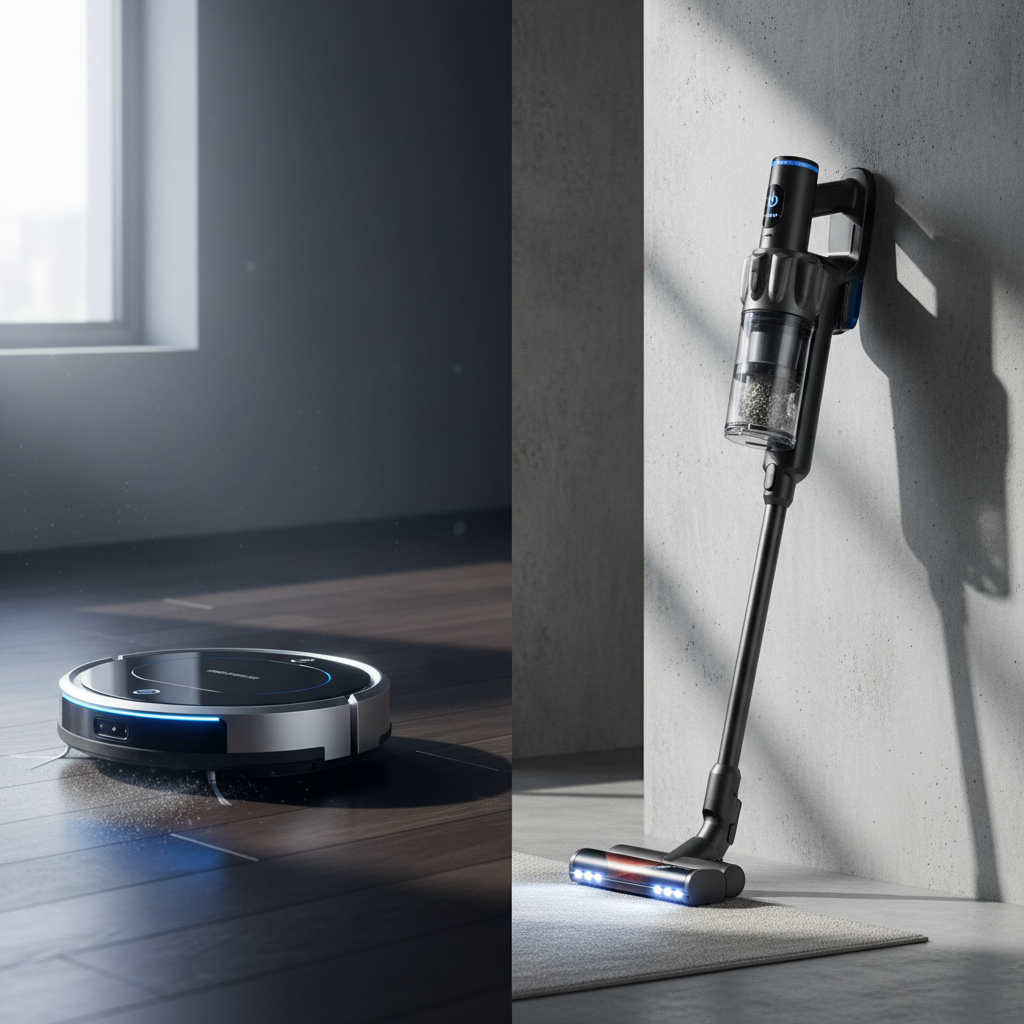
The Great Cleaning Debate: Automation vs. Tradition
Deciding between a robot vacuum and a manual vacuum is no longer just a matter of price; it has become a lifestyle choice. For decades, the manual vacuum cleaner was the undisputed champion of household hygiene, evolving from bulky canisters to sleek, cordless sticks. However, the rise of smart home technology has introduced a formidable rival: the autonomous robot vacuum. These little puck-shaped devices promise a future where you never have to push a vacuum again, but can they truly replace the raw power of human-operated machines?
Efficiency is the core of this debate. In a world where time is our most precious commodity, we often look for shortcuts that do not sacrifice quality. While a robot vacuum offers the ultimate ‘set it and forget it’ convenience, the manual vacuum remains the go-to for deep cleaning sessions. To understand which is truly more efficient, we need to look beyond the surface and analyze how these tools perform in real-world scenarios, from handling pet hair to navigating tight corners and high-pile carpets.
Robot Vacuums: The King of Daily Maintenance
The primary appeal of a robot vacuum lies in its ability to maintain a ‘baseline’ level of cleanliness without any human intervention. Modern units are equipped with advanced sensors, LiDAR mapping, and AI-driven obstacle avoidance that allow them to navigate complex room layouts. They are designed to run daily, picking up dust and debris before it has a chance to accumulate. This constant maintenance means your floors always look presentable, which is a massive psychological win for busy professionals or parents.
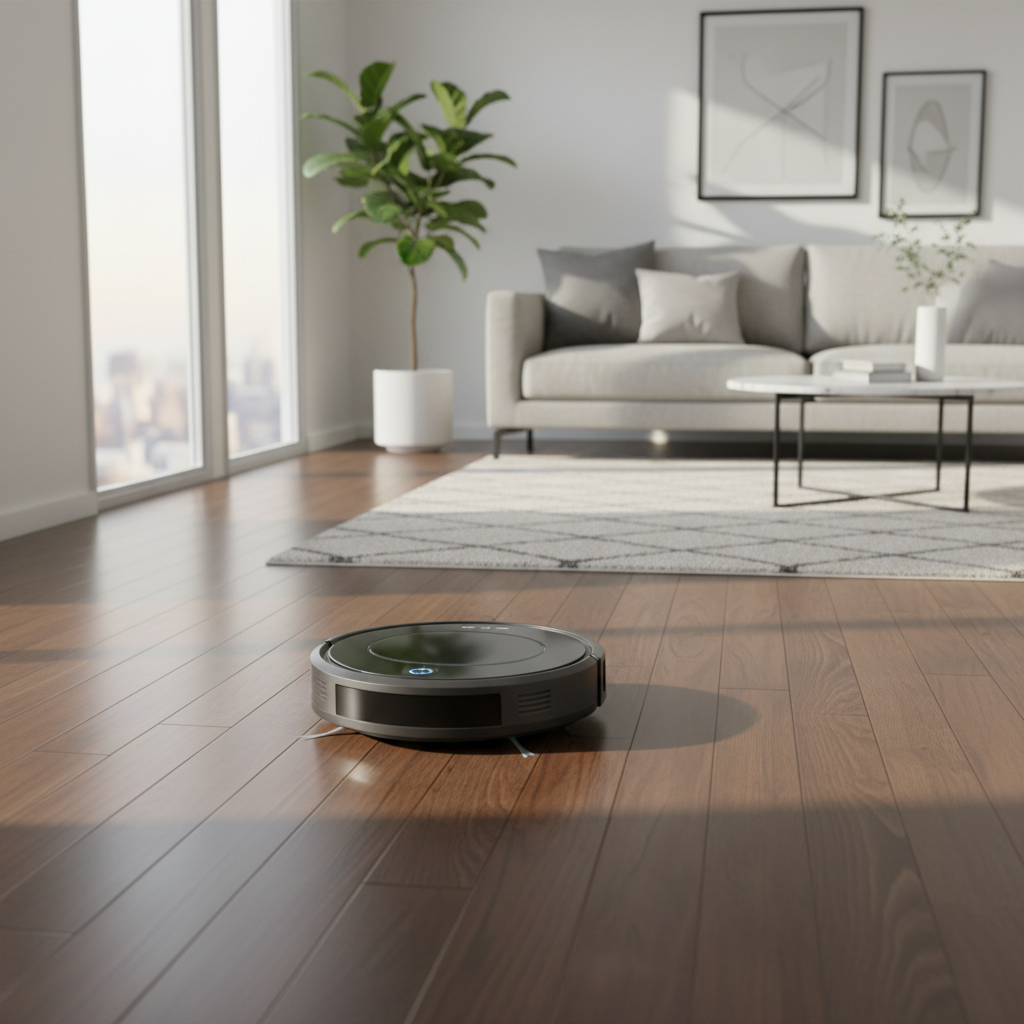
Smart Mapping and Autonomous Scheduling
One of the most efficient features of high-end robot vacuums is their ability to map your home. Unlike older ‘bump-and-turn’ models, smart robots create a digital floor plan, allowing you to set virtual boundaries or schedule specific cleaning zones. You can tell the robot to clean the kitchen after breakfast or the entryway after the kids come home from school. This level of targeted automation saves you from having to do those quick sweeps yourself throughout the day.
Furthermore, the latest iterations now include self-emptying docks. This technology reduces the maintenance burden even further, as the robot can dump its own dustbin into a larger bag that only needs changing once every month or two. When you factor in the time saved from daily sweeping, the robot vacuum becomes an efficiency powerhouse for surface-level upkeep.
Limitations You Can’t Ignore
Despite their intelligence, robot vacuums have physical limitations. Their circular shape makes it difficult to reach deep into 90-degree corners, and their lower suction power compared to upright manuals means they often struggle with heavy debris or deep-set dirt in thick carpets. They also require a ‘robot-proofed’ home; stray cables, loose socks, or thick tassels on rugs can easily bring a cleaning session to a grinding halt. If your home has many levels, the robot is stuck on one floor unless you manually carry it to another.
Manual Vacuums: The Champion of Deep Cleaning
When it comes to raw power and versatility, the manual vacuum cleaner is still the gold standard. Whether it is a corded upright or a high-performance cordless stick, manual vacuums are built to move air at high velocities. This suction is essential for pulling allergens, fine dust, and pet dander from the base of carpet fibers—something most robots simply cannot replicate. For a thorough weekly deep clean, the manual vacuum remains irreplaceable.
Manual vacuums also offer a level of precision that AI hasn’t mastered yet. A human can see a specific spill, swap to a crevice tool, and clean it in seconds. We can move furniture, reach under low-clearance sofas by tilting the handle, and clean upholstery or curtains using specialized attachments. The manual vacuum is a multi-tool for the entire home, not just the floors.
Versatility and Instant Response
The efficiency of a manual vacuum often shines in ‘point-and-shoot’ situations. If you knock over a bowl of cereal or bring in dry mud from the garden, grabbing a cordless stick vacuum is significantly faster than opening an app and sending a robot to that specific spot. Some of the benefits include:
- Superior Suction: Capable of lifting heavy debris and deep-cleaning thick carpets.
- Above-Floor Cleaning: Perfect for stairs, ceilings, vents, and furniture.
- No Battery Anxiety: Corded models provide infinite runtime for large homes.
- Total Control: You decide exactly how much attention each spot needs.
The Hidden Cost of Manual Labor
The downside to manual vacuums is exactly what the name implies: they require you. Vacuuming a medium-sized home can take anywhere from 20 to 45 minutes of physical activity. Over a year, that adds up to dozens of hours spent on a chore that many find tedious. Additionally, manual vacuums are often bulkier and require more storage space than a small robot dock. While they are efficient at cleaning, they are inefficient at saving your personal time.
Final Verdict: Which One Should You Choose?
If we define efficiency as ‘the best clean for the least amount of human effort,’ the winner is actually a combination of both. However, if you must choose one, your decision should be based on your home environment. A robot vacuum is the most efficient choice for apartments with hard floors and open layouts, where daily maintenance is the priority. It keeps the home ‘guest-ready’ at all times with zero effort.
On the other hand, if you live in a multi-story house with heavy carpeting, pets that shed excessively, or a high-traffic lifestyle, a manual vacuum is the more efficient tool for actual dirt removal. Ultimately, many modern households are finding that a mid-range robot for daily sweeps and a powerful cordless stick for weekly deep cleans is the perfect synergy to keep a home truly spotless.