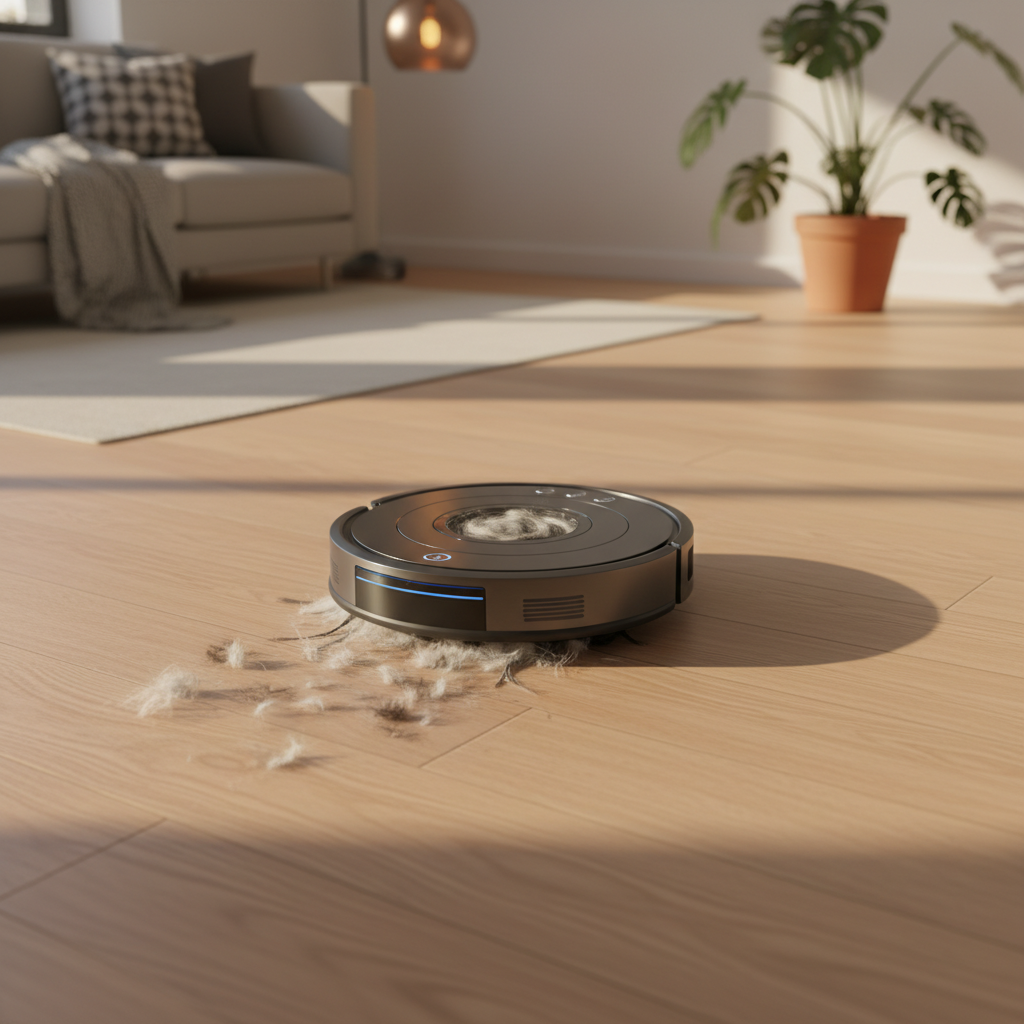
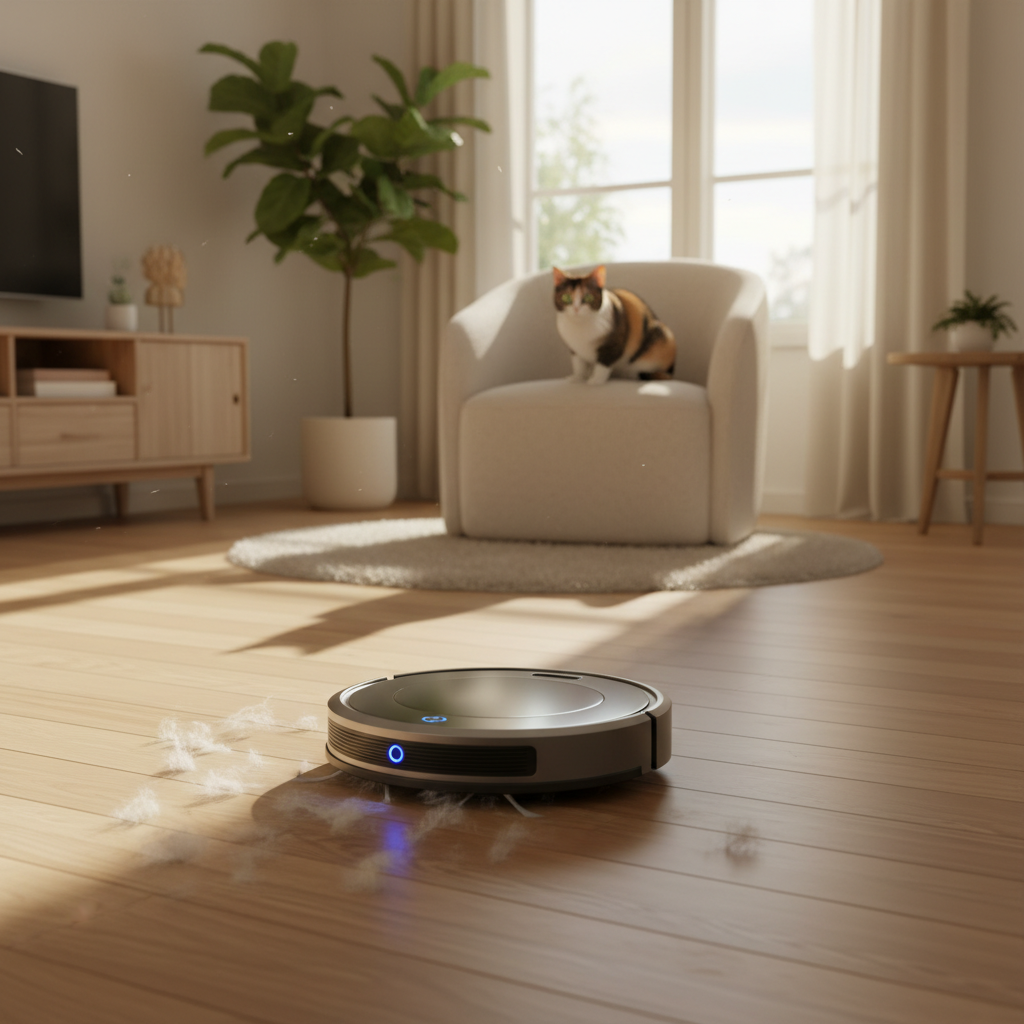
The Never-Ending Cycle of Pet Hair Management Living with a furry companion brings immense joy, but it also brings a layer of hair on almost every surface in your home. For many pet owners, the battle against shed fur feels like a full-time job that never quite ends. Traditional upright vacuums are powerful, yet they require significant time and physical effort that most of us simply cannot afford on a daily basis. This is where the innovation of robot vacuums steps in, shifting the burden from manual labor to automated precision. Pet hair isn’t just a cosmetic issue; it’s an environmental one. High concentrations of fur and dander can trigger allergies and significantly affect indoor air quality over time. While manual sweeping often kicks dust back into the air, a dedicated robotic cleaning system works consistently to keep the floor surface clear before the buildup becomes unmanageable. It transforms the home environment from a constant cleanup zone into a space that is perpetually guest-ready. ## Why Consistency Trumps Raw Power The biggest advantage of a robot vacuum isn’t necessarily that it’s stronger than a heavy-duty corded vacuum, but that it works every single day without complaint. Most pet owners find that the secret to a fur-free home is frequency rather than brute force. A robot vacuum can be scheduled to run while you are at work or even in the middle of the night, ensuring that hair never has the chance to accumulate into those dreaded tumbleweeds that gather in the corners of your living room. By maintaining a baseline of cleanliness, these devices prevent pet hair from embedding itself deep into carpet fibers or under heavy furniture. Once hair is walked on and pushed down, it becomes significantly harder to remove even with the most expensive equipment. Daily passes by a robotic assistant keep the fibers lifted and the surface debris-free, making your deeper weekly cleans much faster and more effective than ever before. ### Suction Power and Tangle-Free Technology When shopping for a robot vacuum specifically for pet hair, the technical specifications matter more than the brand name. You want to look for high suction power, often measured in Pascals (Pa). Devices with 3000Pa or higher are generally recommended for homes with heavy-shedding dogs or long-haired cats. This ensures that even the heavy, coarse hair gets pulled into the dustbin rather than just being pushed around the floorboards.
Furthermore, the brush design is a critical factor for long-term durability. Traditional bristle brushes are notorious for getting pet hair tangled around the axle, requiring you to manually cut it off with scissors every few days. Modern tangle-free rubber rollers are a godsend for pet owners. These rollers use specialized designs to agitate carpets and direct hair straight into the suction intake, drastically reducing maintenance time and ensuring the robot doesn’t seize up mid-clean. ### HEPA Filtration and Air Quality If you or your family members suffer from pet-related allergies, the filtration system in your robot vacuum is just as important as its motor. High-Efficiency Particulate Air (HEPA) filters are designed to trap 99.97% of dust, pollen, and pet dander as small as 0.3 microns. Without a high-quality filter, the vacuum might suck up visible hair but exhaust fine allergens back into the room, defeating the purpose of cleaning. Maintaining these filters is key to long-term performance and healthy air. Most high-end robot vacuums now come with full bin sensors that alert you when the filter needs cleaning or the bin is at capacity. For the ultimate hands-off experience, many owners opt for self-emptying bases, which can hold weeks worth of pet hair in a sealed bag, further minimizing your direct exposure to allergens during disposal. ## Navigation and Obstacle Avoidance for Pet Households Early generations of robot vacuums were often criticized for getting stuck or, in the worst-case scenario, running over pet accidents and spreading them across the house. Modern technology has largely solved these issues through AI-driven obstacle avoidance. Using LiDAR, 3D structured light, or high-resolution cameras, these robots can identify and maneuver around pet toys, water bowls, and yes, even solid waste. Beyond just avoiding obstacles, advanced mapping allows you to set specific No-Go Zones via a smartphone app. If your cat’s feeding area is always a mess of scattered kibble that you’d rather handle yourself, you can simply draw a virtual boundary, and the robot will stay away. This level of customization ensures that the cleaning process doesn’t disrupt your pet’s routine or create a bigger mess than what it started with. ## Final Thoughts on the Investment Is a robot vacuum a complete replacement for a high-powered manual vacuum? Perhaps not entirely, as you still need a way to clean upholstery, curtains, and stairs. However, for the daily management of pet hair on floors, it is an absolute game-changer. The time saved and the reduction in airborne dander make it one of the most valuable investments a pet owner can make for their home environment. When you factor in the peace of mind that comes from walking barefoot on a clean floor every evening, the value proposition becomes clear. It’s not just about the technology; it’s about reclaiming your time and enjoying your home with your pets without the constant stress of the shedding season looming over you.