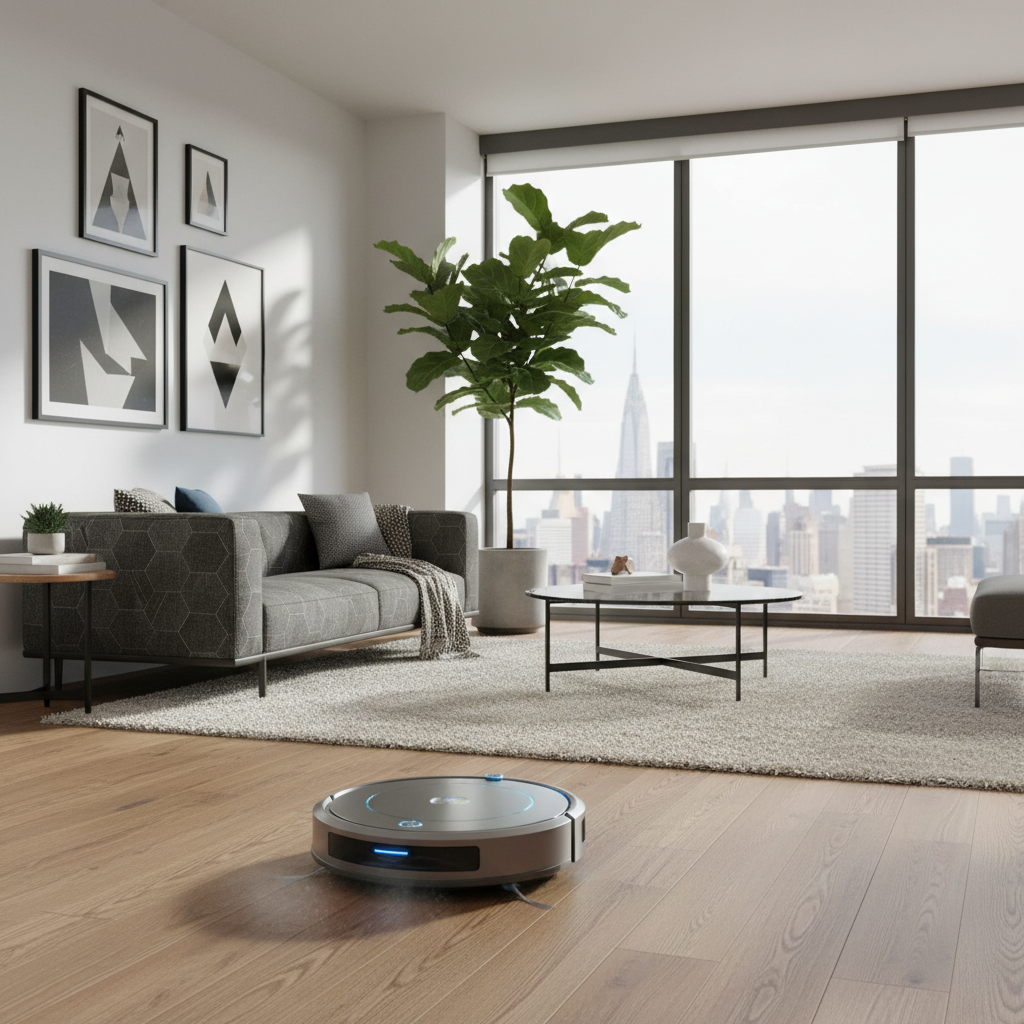
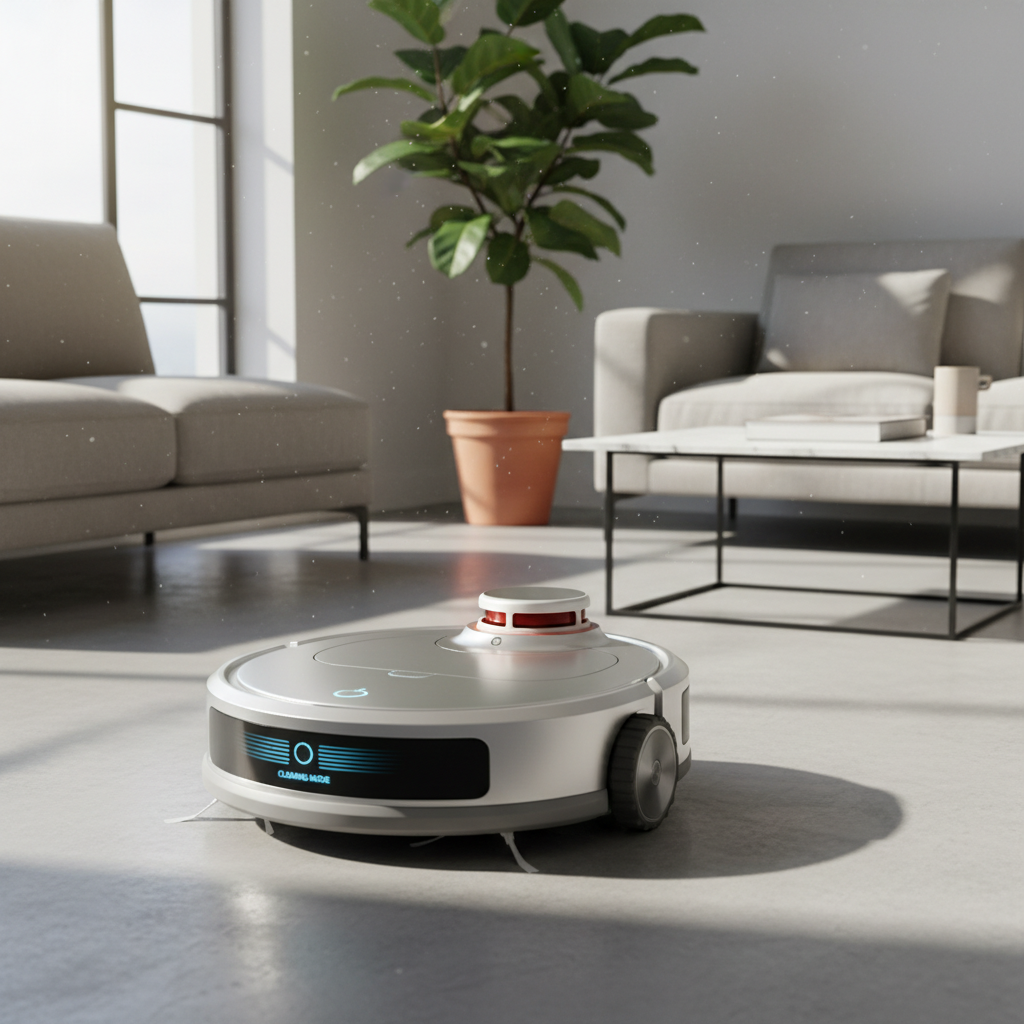
Navigating the World of Automated Cleaning. The days of dragging a heavy corded vacuum around every weekend are slowly fading into the past. In our fast-paced modern world, time has become a luxury, and the robot vacuum cleaner has emerged as a silent hero of household maintenance. However, entering the market for the first time can be overwhelming given the sheer variety of sensors, suction ratings, and docking stations available today. It is no longer just about picking a disk that moves; it is about finding a sophisticated piece of technology that integrates seamlessly into your lifestyle. Choosing the right robot vacuum requires a deep understanding of your own environment. A studio apartment with hardwood floors presents a completely different challenge compared to a two-story suburban home with thick shag carpets and shedding pets. By focusing on the specific technical aspects that cater to your needs, you can transform a potential gadget into an essential domestic partner. ### The Importance of Navigation and Mapping. The ‘brain’ of your robot vacuum is its navigation system, and this is where technology has evolved the most. Early models relied on ‘bump and turn’ mechanics, which often led to missed spots and repetitive cleaning in the same area. Today, you should look for devices utilizing LiDAR (Light Detection and Ranging) or VSLAM (Vision-based Simultaneous Localization and Mapping). LiDAR uses lasers to create a highly accurate 3D map of your home, allowing the vacuum to clean in efficient, straight lines even in total darkness. VSLAM uses a camera to identify landmarks, which is excellent for avoiding obstacles like socks or cables, though it requires some ambient light to function optimally. If your home has a complex layout with many rooms, investing in a LiDAR-equipped model is almost always the better choice for efficiency.
## Power and Performance Across Different Surfaces. Suction power, measured in Pascals (Pa), is often the headline feature in marketing materials. While a higher number generally indicates a stronger ability to lift debris, it is not the only factor in cleaning performance. For hard floors like tile or laminate, a suction power of 2,000Pa is usually more than sufficient. However, if your home is dominated by carpets, you should aim for a model that offers at least 4,000Pa and features a brush roll designed to agitate fibers and lift deep-seated dust. ### Mopping Capabilities and Hybrid Models. Many modern robot vacuums are now hybrids, offering both sweeping and mopping functions. Basic models simply drag a damp microfiber cloth across the floor, which is fine for light dusting. However, if you want a true deep clean, look for models with ‘Sonic Mopping’ or rotating mop pads. Sonic mopping vibrates the pad thousands of times per minute to scrub away dried stains, while rotating pads mimic the manual pressure of a human hand. Some premium models even have the intelligence to lift the mop pads automatically when they detect carpet, preventing your rugs from getting damp. ## The Convenience of Self-Emptying and Maintenance. One of the most significant innovations in recent years is the self-empty station. Without this, you will find yourself manually emptying the robot’s tiny dustbin every day or two. A self-empty dock sucks the debris into a larger disposable bag that can last for weeks or even months. This reduces your interaction with dust and allergens, making it a must-have for people with respiratory sensitivities. ### Connectivity and Smart App Features. A robot vacuum is only as useful as the control you have over it. High-quality companion apps allow you to set ‘No-Go Zones’ to protect delicate furniture or pet bowls, schedule cleaning for specific rooms, and even monitor the wear and tear of internal components like filters and brushes. Integration with voice assistants like Alexa or Google Home adds an extra layer of convenience, allowing you to start a cleaning cycle with a simple voice command as you head out the door. Choosing the right vacuum isn’t just about the highest specs; it’s about the smartest fit for your unique home environment.