The Shift Toward Autonomous Home Maintenance
In the fast-paced world of the 21st century, time has become our most precious commodity. We are constantly looking for ways to optimize our daily routines, and nowhere is this more evident than in the evolution of domestic chores. Enter the robot vacuum cleaner—a device that once seemed like something out of a science fiction movie but is now a common sight in modern apartments and suburban houses alike. These compact, disc-shaped machines promise to liberate us from the mundane task of floor cleaning, but the reality is often more nuanced than the marketing suggests.
Transitioning to a smart home ecosystem often begins with these autonomous helpers. They represent a significant shift in how we perceive cleanliness, moving from a weekly ‘deep clean’ mentality to a ‘constant maintenance’ approach. However, before you invest several hundred or even a thousand dollars into one of these gadgets, it is essential to understand the intricate balance between their high-tech benefits and their inherent physical limitations.
The Unmatched Advantages of Autonomous Cleaning
Unbeatable Convenience and Time Management
The most obvious benefit of owning a robot vacuum is the sheer amount of time it saves. For a busy professional or a parent juggling multiple responsibilities, the ability to schedule a cleaning session via a smartphone app while at work is revolutionary. Instead of spending your Saturday morning pushing a heavy upright vacuum, you can simply wake up to pristine floors every single day. This constant cycle of cleaning prevents dust and pet hair from accumulating in the first place, leading to better indoor air quality and a more pleasant living environment.
Furthermore, the low-profile design of most robot vacuums allows them to reach areas that are traditionally difficult to clean. Think about the space under your bed, the back corners under the sofa, or beneath low-standing cabinets. These are often the ‘dust bunny’ sanctuaries that humans tend to skip because they require moving heavy furniture. A robot vacuum glides effortlessly into these gaps, ensuring that the hidden parts of your home are just as clean as the visible ones.
Advanced Navigation and Smart Integration
Modern high-end models are equipped with sophisticated LiDAR (Light Detection and Ranging) or VSLAM (Visual Simultaneous Localization and Mapping) technology. These sensors allow the robot to create a digital twin of your floor plan, identifying walls, furniture, and potential obstacles with incredible precision. Unlike the early ‘bump-and-turn’ models that moved randomly, modern units follow logical, systematic paths, ensuring every square inch of the floor is covered without unnecessary battery drain.
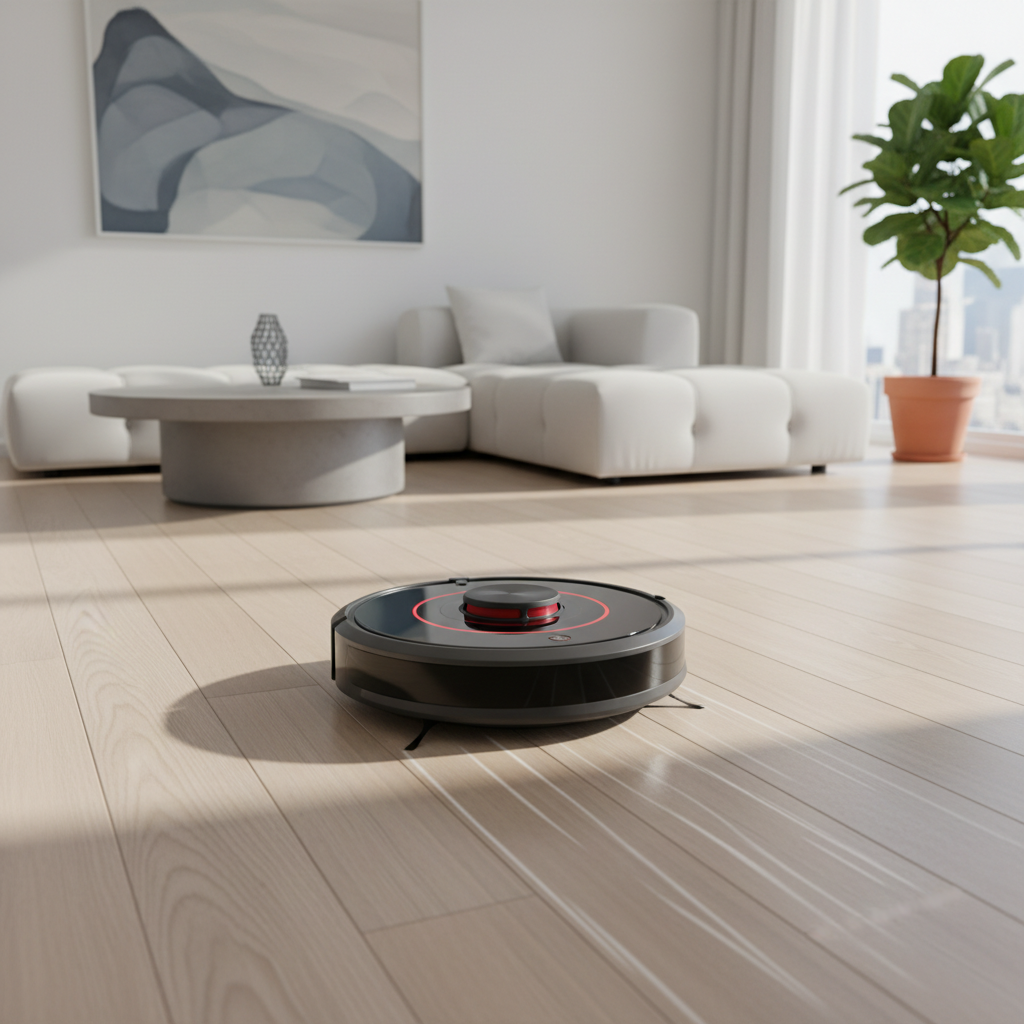
Beyond just mapping, these devices integrate seamlessly with smart home hubs like Amazon Alexa or Google Assistant. This allows for voice-activated cleaning—a feature that feels truly futuristic. You can simply say, ‘Clean the kitchen,’ and the robot will detach from its dock, navigate to the specific zone, and perform a localized cleaning after a meal or a spill, all without you lifting a finger.
The Reality Check: Navigating the Limitations
Maintenance and the ‘Hidden’ Chores
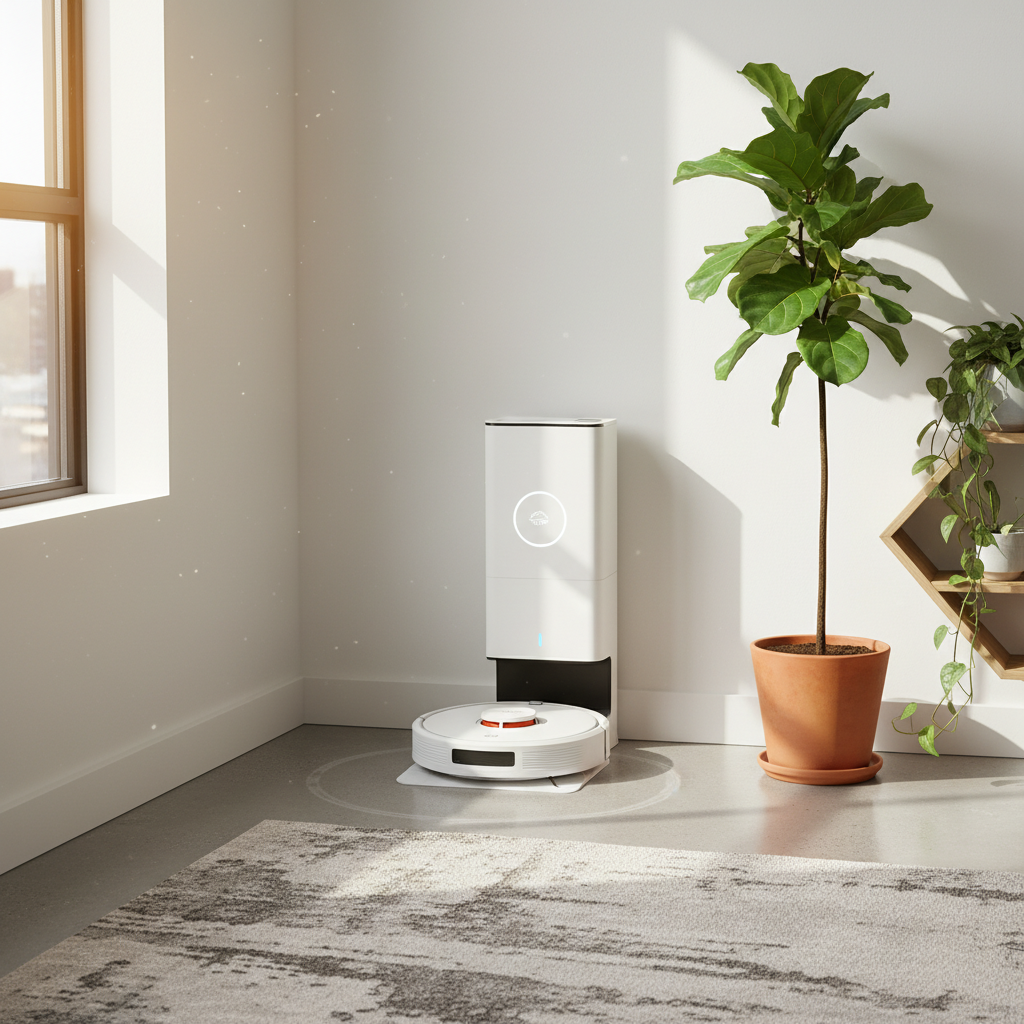
While the marketing emphasizes ‘set it and forget it,’ the reality of robot vacuum ownership involves a fair amount of manual intervention. These machines have significantly smaller dustbins than traditional vacuums, often requiring emptying after every one or two cleaning cycles. Even models with self-empty stations—which are a fantastic upgrade—still require the user to replace the large dust bag every month and occasionally clean the robot’s sensors and brushes.
Hair tangles are another common issue. If you have long hair or pets that shed heavily, the main roller brush can become clogged quickly. This requires you to flip the machine over and manually cut away the tangled fibers. Additionally, filters must be cleaned or replaced regularly to maintain suction power. In many ways, you aren’t eliminating the chore entirely; you are simply shifting your labor from ‘vacuuming’ to ‘maintaining the vacuum.’
Struggles with Complex Environments
Despite the advancements in obstacle avoidance, robot vacuums still have their ‘kryptonite.’ Thin charging cables, stray socks, and deep-pile rugs can cause a robot to get stuck or throw an error code. For a robot vacuum to work effectively, the home must be ‘robot-proofed’ to some extent. This means picking up small items from the floor and ensuring that transitions between different flooring types are not too steep for the robot’s wheels to climb.
Another technical limitation is suction power. While top-tier models are impressive, they generally cannot match the deep-cleaning capabilities of a high-powered corded upright vacuum, especially on thick carpets. An RVC is excellent for surface maintenance, but most households will still find they need a traditional vacuum for deep-cleaning rugs, upholstery, and reaching high corners or stairs—areas where a disc-shaped floor robot simply cannot go.
Tips for Maximizing Efficiency
- Clear the floor of small objects like toys and charging cables before starting a cycle.
- Set a regular schedule during hours when you are away to avoid the noise and presence of the machine.
- Use ‘no-go zones’ in the mobile app to prevent the robot from entering areas with heavy clutter or delicate furniture.
- Perform a quick weekly check of the brushes and sensors to prevent errors and maintain peak suction.
Conclusion: Making the Right Choice for Your Space
Deciding whether a robot vacuum is right for you depends largely on your home’s layout and your personal expectations. For homes with predominantly hard floors—such as hardwood, tile, or laminate—and open floor plans, a robot vacuum is an absolute game-changer. It maintains a level of daily cleanliness that is almost impossible to achieve manually without significant effort. However, if your home is filled with thick shag carpets, multiple levels with stairs, and lots of floor-level clutter, the robot may cause more frustration than it solves.
Ultimately, the robot vacuum should be viewed as a maintenance tool rather than a total replacement for traditional cleaning. It excels at keeping the ‘daily dust’ at bay, allowing you to reclaim your time for more meaningful activities. As the technology continues to mature, with better AI-driven obstacle recognition and improved mopping capabilities, the gap between human and robotic cleaning continues to shrink, making it one of the most worthwhile investments for the modern, tech-savvy household.